A black bear attacked a man outside a laundry room at an Eagle-Vail apartment complex on Monday, injuring his arm and foot, Colorado Parks and Wildlife said.
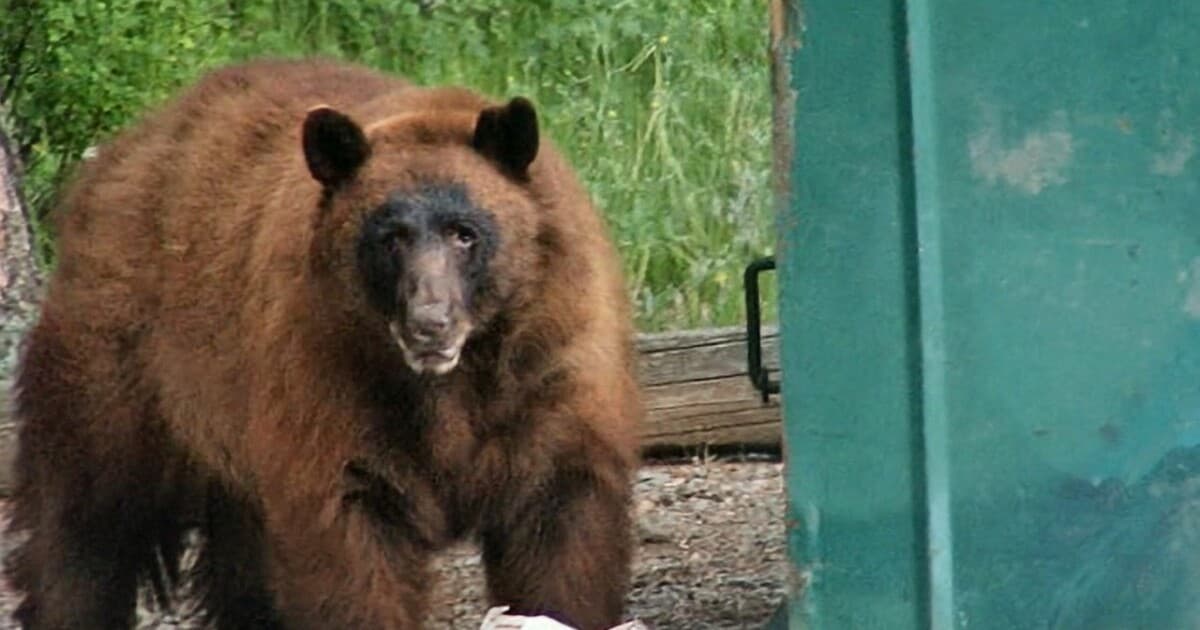
A man was attacked by a female black bear Monday afternoon while leaving a laundry room at an apartment complex in Eagle-Vail, Colorado. The bear swiped at him, injuring his arm, and he hurt his foot while trying to get away. Colorado Parks and Wildlife searched overnight for the bear and her cubs, set a trap in the neighborhood, and said drought conditions are driving increased bear activity in populated areas.
A man was injured Monday afternoon when a black bear attacked him as he left the laundry room of an apartment complex in Eagle-Vail, according to Colorado Parks and Wildlife.
CPW said a female black bear swiped at the man, injuring his arm. He hurt his foot as he tried to get away from the animal. A family member drove him to a local medical facility, where he was treated for the arm and foot injuries and released.
CPW officers responded to the apartment complex and spent the night searching the area for the bear and her cubs. Officers also placed a trap in the neighborhood, hoping to capture the animal involved in the attack. As of Tuesday, CPW said it believes the sow and her cubs may be staying away from the immediate area because a larger male bear has also been active nearby.
CPW has not released the name of the apartment complex victim or additional details about his condition beyond the treatment he received.
CPW pointed to ongoing drought conditions across the region as a factor behind the incident. With natural food sources such as berries, acorns and other vegetation scarce this summer, bears have been ranging more widely into neighborhoods and commercial areas in search of calories, the agency said. CPW officers have reported a jump in calls about bears getting into dumpsters and trash containers in Eagle County and elsewhere on the Western Slope as the animals search for easy meals.
Late summer and early fall mark a period wildlife biologists call hyperphagia, when bears eat almost constantly to build fat reserves before winter hibernation. A single bear can consume upward of 20,000 calories a day during this stretch, which typically runs from August through October depending on weather and elevation. That drive for food, combined with the drought's effect on wild forage, is what CPW says is pushing bears toward apartment complexes, dumpsters and other spots where human activity concentrates food waste.
CPW is urging residents in Eagle-Vail and surrounding communities to take steps that reduce the odds of another encounter. The agency is telling people not to feed or approach bears, noting that intentionally feeding wildlife or leaving food accessible to them is illegal in Colorado and teaches bears to lose their fear of humans. CPW is also asking residents to lock up trash receptacles and food scraps, since the smell is often what draws bears onto a property in the first place.
Other recommendations from CPW include keeping pet food indoors rather than leaving bowls outside, cleaning outdoor grills after every use and storing them in a garage or shed, and keeping windows and doors locked, particularly when a home or apartment is unoccupied.
CPW also laid out guidance for what to do if someone comes face to face with a black bear. If a person spots a bear before it notices them, the agency says to stay still and quietly back away rather than approach. If the bear has already seen the person, they should back away slowly and avoid running, since a fleeing person can trigger a chase response in the animal. If a bear moves toward someone, CPW recommends standing ground, waving arms and yelling to try to scare it off. In the rare case that a black bear makes physical contact, CPW says people should not play dead but instead fight back.
Eagle-Vail sits along the Eagle River corridor between Vail and the town of Eagle, an area where bear sightings are common in summer and fall but attacks on people are rare. Colorado is home to an estimated 17,000 to 20,000 black bears, and CPW typically logs a handful of bear-related injuries to people statewide each year, most tied to surprise encounters or bears defending cubs.
CPW has not said how long the trap will remain in place at the Eagle-Vail complex or what will happen to the bear if it is captured. Wildlife officers generally relocate bears involved in such incidents, or euthanize them if they show a pattern of aggressive behavior toward people. CPW said it will keep monitoring the area and follow up with residents on food storage and trash management while the trap stays in place at the complex.