Denver Public Schools has installed air conditioning at nine more schools this fall as part of a $240 million bond-funded project to cool all district buildings by 2028.
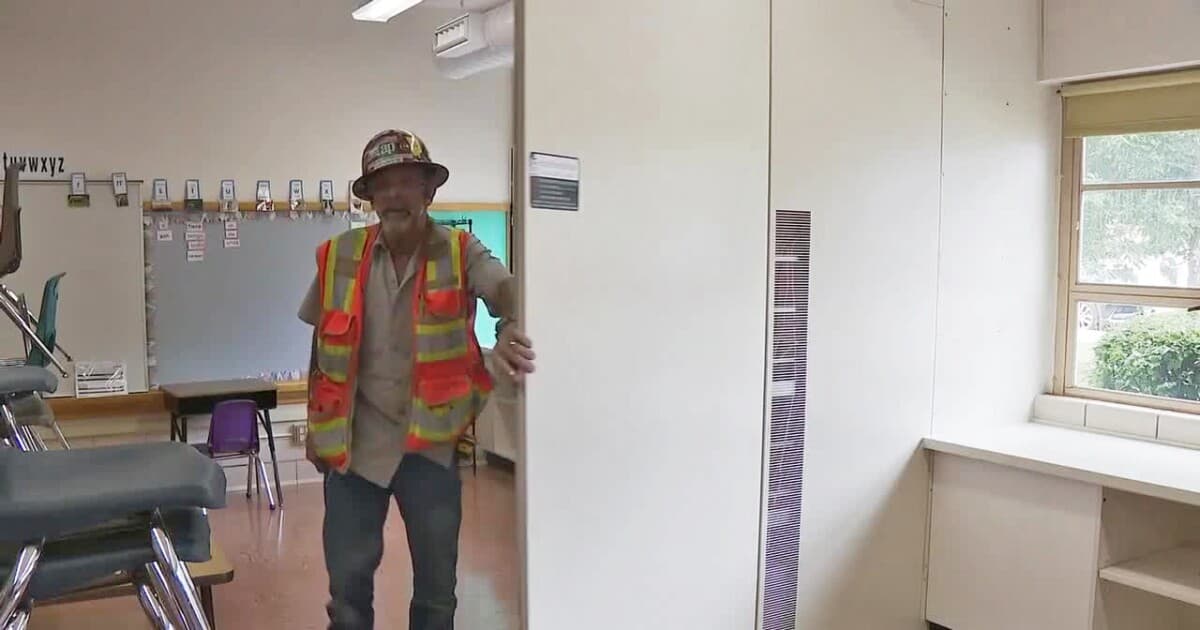
Denver Public Schools has completed air conditioning installations at nine schools this fall, part of a district-wide effort funded by a 2024 voter-approved bond that set aside $240 million for the project. The district started with 29 schools lacking full air conditioning; two were finished last year, nine more by this fall, and the remaining 18 are scheduled for completion over the next two years. Schools are prioritized using a heat index that tracks the hottest buildings and an equity index based on income levels and student needs.
Students walking into Asbury Elementary this week are getting a different welcome than the one they got a few weeks ago, when the building was hotter inside than the 98-degree air outside. Now the school has air conditioning, one of nine Denver Public Schools buildings that finished cooling installations in time for the start of the school year.
The upgrades are part of a district-wide plan to bring air conditioning to every DPS school, most of which are decades old. Many buildings in the district are around 50 years old, and some date back a century, according to DPS director of construction Heather Bock.
"When I walked into this building, it was about three weeks ago. It was a 98-degree day and I walked in and it was hotter inside than it was out. Today, I walked in and I feel refreshed. I feel like comfortable," Bock said.
The project traces back to a 2024 bond measure approved by Denver voters that set aside $240 million specifically for air conditioning work across the district. DPS identified 29 schools that needed full air conditioning installations when the project began. Two were completed last year, nine more are done as of this fall, and the remaining 18 schools are scheduled to get the work done over the next two years, with the district aiming to have every building cooled by 2028.
DPS decides which schools get air conditioning first based on two measurements: a heat index that tracks which buildings run hottest, and an equity index built from factors like household income levels and student needs in the surrounding community. Bock said retrofitting old buildings with modern climate systems has been a slow process.
"Trying to incorporate 21st century technology into these buildings has been really difficult. Now, understanding that the time and dollars it takes to make sure we have comfortable environments for our students to thrive in really makes a difference," Bock said.
The new systems installed under the bond can be operated remotely. Facilities staff can set a target temperature across the district, called a set point, and monitor or adjust it from a central location without sending a technician to each building.
"These controls also help us maintain a sense of temperature. We set a temperature point throughout the district that's called a set point, and we can maintain that, observe it, and even fix it sometimes from a remote location such as our facilities department," Bock said.
For schools still waiting their turn, the district is relying on older methods to keep classrooms manageable during hot stretches. Staff open windows early in the morning before temperatures climb and close them before the heat sets in, lower shades on windows facing south and west to block direct sun, and in some cases send students home early when conditions get bad enough. Bock said some buildings without full cooling have partial relief, such as an air-conditioned auditorium that can serve as a refuge area during the hottest parts of the day.
Many of Denver's older schools were built without central air and rely on natural ventilation, a design that struggles when late-summer temperatures climb. Classrooms in the district have gotten hot during heat waves in August and September, when students are back in session but outdoor temperatures still regularly top 90 degrees.
The 2024 bond funding gave the district a set budget and timeline to address the gap, rather than handling installations building by building as money became available. With nine schools finished this year and 18 remaining, the district's next round of installations is expected to continue over the next two school years, with full completion targeted for 2028.