Boulder climate lawsuit against ExxonMobil and Suncor gets narrow opening at U.S. Supreme Court

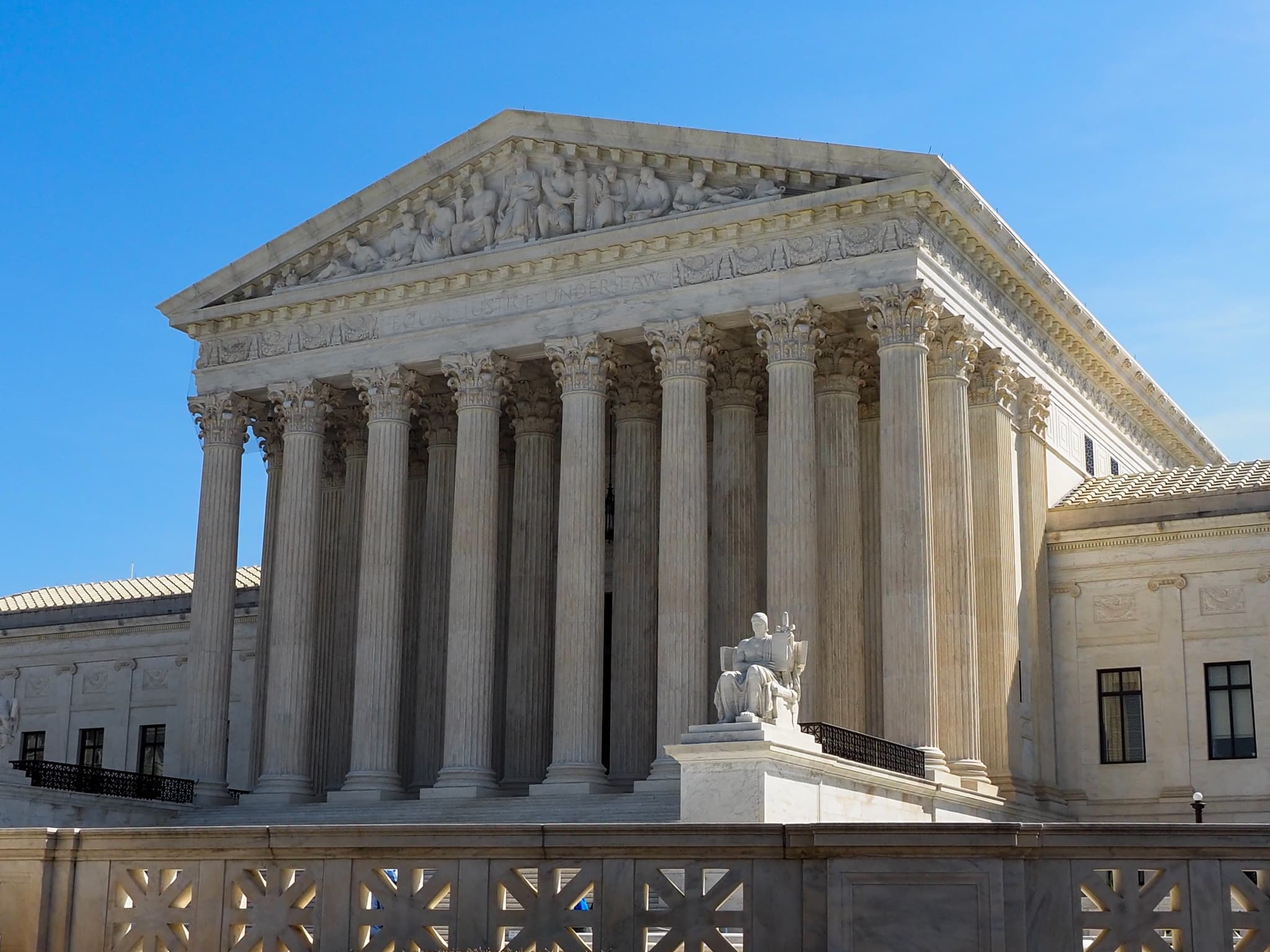
The U.S. Supreme Court heard arguments Monday in Suncor v. Boulder, which will decide whether Boulder County and the city of Boulder can move forward with a 2018 lawsuit seeking damages from ExxonMobil and Suncor Energy for their role in climate change.
The case asks the justices to decide whether the claims can stay in Colorado state court. The plaintiffs accuse the companies of deceiving the public for years about the climate consequences of burning fossil fuels and seek monetary damages under state tort law for costs tied to worsening heat, drought, and wildfire. ExxonMobil and Suncor, backed by the Trump administration, argue federal law preempts the claims and that the suit would expose them to extensive liability.
During the hourlong argument, the court's three liberal justices sounded sympathetic to Boulder's position. Chief Justice John Roberts questioned the companies' claim that the dispute belongs in federal court. He told the companies' attorneys that a person can rightfully be sued "if you throw a rock over the border" and hit someone. Roberts also raised concern that a win for Boulder could open the courts to a wave of similar lawsuits. "Presumably if you prevail, the next day, a municipality in every single state will file a lawsuit that will probably copy your pleadings," Roberts said. "How do you think that will work out?"
Justice Brett Kavanaugh appeared to be the only conservative justice firmly siding with the energy companies. Justice Samuel Alito did not take part after saying that his stock ownership in fossil fuel companies made recusal prudent.
Alito's absence changes the vote count. If the remaining eight justices split 4 to 4, the Colorado Supreme Court's May 2025 ruling allowing the case to proceed would stand. That means Boulder's attorneys need only one conservative justice to side with the liberal justices to keep the suit alive.
The litigation began eight years ago when Boulder and Boulder County sued ExxonMobil and Suncor in Colorado state court. Suncor is a Canadian oil company that operates Colorado's only fossil fuel refinery. The companies repeatedly tried to have the case dismissed or moved to federal court, without success, before asking the U.S. Supreme Court in 2025 to intervene. The justices agreed in February to hear the case.
The companies' petition asks the court to rule that federal statute bars state-law claims for injuries caused by interstate and international greenhouse-gas emissions. The plaintiffs say their case targets the companies' marketing and deceptive practices, not emissions regulation.
Chris Winter, executive director of the Getches-Wilkinson Center at the University of Colorado School of Law, said the case centers on who pays for climate harms already hitting Colorado communities. "Are those costs just going to fall on the shoulders of all of the taxpayers and citizens and our local governments? Or is the oil industry going to be at least partially responsible for their role in contributing to this crisis?" Winter said.
Boulder's suit is one of more than 30 similar cases brought by state and local governments nationwide. The argument came after another summer in Colorado marked by record heat, extreme drought, and destructive wildfire activity.
The justices are not deciding whether ExxonMobil and Suncor are liable for climate change. Their ruling will settle only whether Boulder's case can proceed in state court. A decision is expected in late June or early July.