Colorado Supreme Court sends Michael Clark's request for Missy Woods case data back to district court
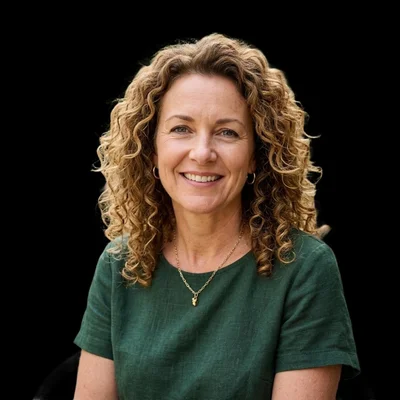
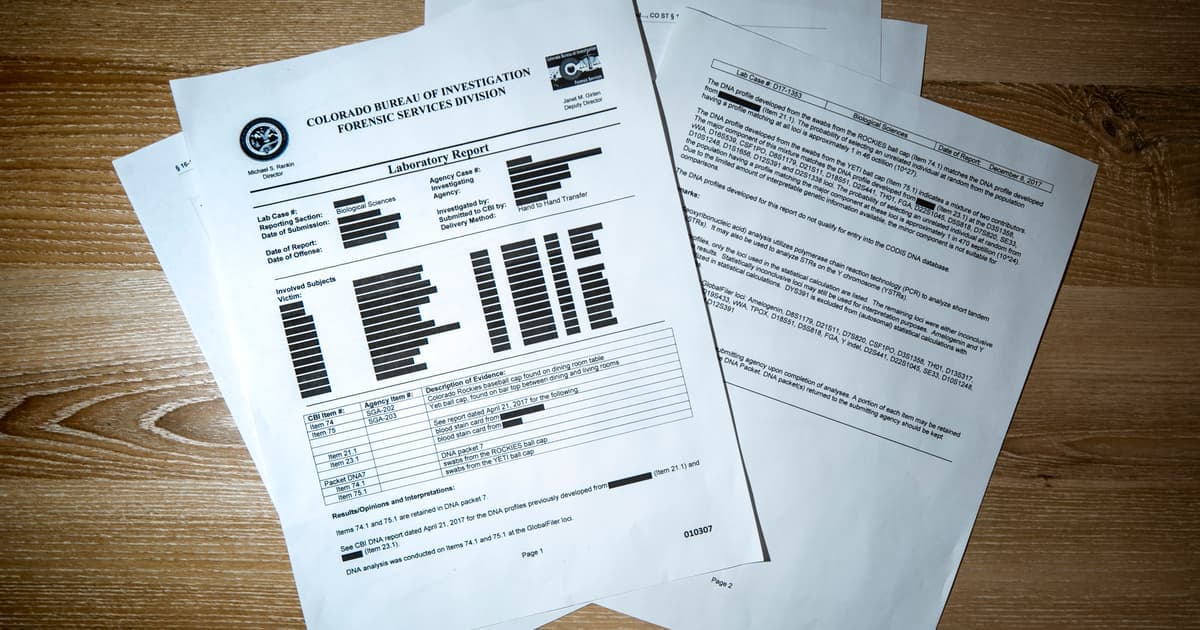
The Colorado Supreme Court ruled Monday that a district court used the wrong procedure when it ordered the Colorado Bureau of Investigation to release data from other cases handled by forensic scientist Yvonne "Missy" Woods to murder defendant Michael Clark.
The court sent the dispute back to the district court for more complete findings, leaving open whether CBI must eventually turn over the records Clark subpoenaed.
Clark was convicted in October 2012 of first-degree murder in the 1994 death of Marty Grisham. A Boulder district court judge overturned that conviction in April 2025, accepted Clark's motion for a new trial and released him on bond.
His attorneys are seeking to dismiss the charges, arguing that Woods contaminated evidence in his case and that CBI failed to enforce anti-contamination protocols.
Clark subpoenaed CBI for information identifying other cases in which Woods used particular DNA testing methods. His attorneys argue that reviewing those cases could show that the problem was not limited to one analyst making mistakes.
Adam Frank, one of Clark's attorneys, said the Supreme Court's ruling did not decide whether CBI must disclose the documents.
"The Supreme Court's ruling was that the procedure had been wrong, but it did not tell the district court to reach a different outcome on the question of whether to order CBI to disclose the documents at issue," Frank said.
Frank said the records could support Clark's claim that CBI allowed its technicians to testify to opinions in court that were guesses rather than science.
"We are going to keep fighting that and making that argument, because it's the truth," Frank said.
CBI objected in court filings, calling the request broad and burdensome. The agency estimated that producing the information would require more than 2,000 staff hours. CBI also told the court that Woods worked on about 2,700 cases during the period when the bureau was using the DNA method at issue.
The Attorney General's office, representing CBI, argued in a May filing that Clark was trying to generate information from unrelated cases rather than seek identified evidence in his own prosecution.
The Attorney General's office asked the Supreme Court to vacate the district court's orders and void Clark's subpoena. The Supreme Court did not go that far.
Woods pleaded guilty in June to four felony charges related to evidence mishandling. In September, she was sentenced to 10 years in prison.
Clark's conviction had relied in part on testimony from Woods, who told jurors that she tested DNA found inside a lip balm container recovered from the crime scene on the night of the killing. After the allegations against Woods became public, an independent laboratory retested the evidence.
The district attorney's office that prosecuted Clark in 2012 supported vacating his conviction.
"After the misconduct of the State's DNA lab analyst was communicated to our office, we requested a re-test of an important piece of evidence," District Attorney Michael Dougherty said in a press release at the time. "Based on those results, as well as the significant claims of juror misconduct and ineffective assistance of counsel, our office determined that the conviction must be vacated."
Clark's retrial had been scheduled for May, but Frank said that date no longer stands. He said no new dates have been scheduled.
The district court will make additional findings before deciding whether to order CBI to release the records Clark sought.