Denver voters will decide Initiated Ordinance 311, a measure to ban foie gras and force-fed duck or goose products in the city

Denver voters will decide Initiated Ordinance 311 in 2026, a ballot measure that would prohibit force-feeding ducks or geese and ban the sale of products made through that process, including foie gras, in the city.
The measure is one of several local initiatives on the 2026 ballot that will affect Denver restaurants. Westword reported that the ballot includes the largest number of measures on a single city ballot since 1912.
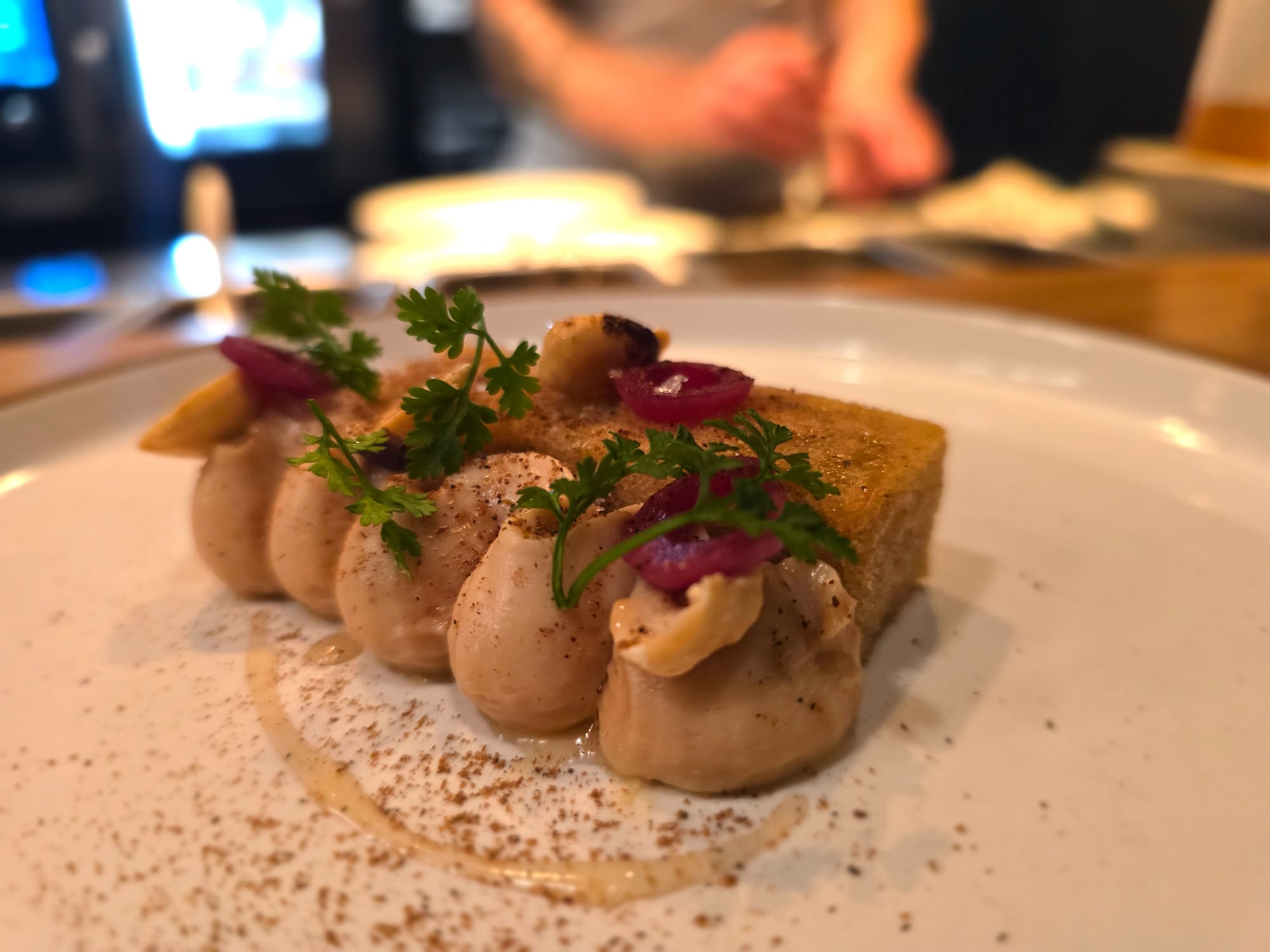
Foie gras is the French culinary term for the fattened liver of a duck or goose. It is typically served pan-seared with a crisp exterior or as a spread similar to pâté or mousse.
The dish is usually produced through a process called gavage. A high-fat, high-starch mixture, usually corn and oil, is fed to the bird through a feeding tube directly into the stomach during the last 10 to 15 days of production before slaughter.
Opponents of the practice call gavage cruel because of the feeding tube and the rapid fattening of the liver. They also describe foie gras as a luxury item for wealthy diners.
Pro-Animal Colorado, a group supporting the ban, said foie gras is sold at only a few high-end Denver restaurants and is not a major source of revenue for local businesses.
The group cited a Colorado State University study that found 85% of Colorado voters oppose force-feeding birds for foie gras production.
“Force-fed foie gras is a luxury status symbol sold at only the most expensive restaurants in Denver. It’s sold as a single, seasonal menu item, and is not a primary source of revenue for any local businesses,” Pro-Animal Colorado said in a statement.
Pro-Animal Colorado also said foie gras has already been banned in California and in cities including New York City, Portland, and Pittsburgh. The bans in New York City and California faced legal challenges but were ultimately upheld. A similar ban in Chicago was repealed.
A coalition of restaurant groups is opposing the measure. The groups include the Colorado Restaurant Association, the Hispanic Restaurants Association, and Eat Denver, which represents independent restaurants in the city.
The coalition argues that the ban would limit consumer choice and chef freedom and that foie gras poses no health risk to diners.
“Denver’s independent restaurants, not special interest groups, should decide what goes on their menus, and Denver diners should be free to choose what they order,” Eat Denver said in a statement.
The group warned that banning one menu item could lead to further restrictions on other ingredients and dishes.
“If voters allow one menu item to be banned, other ingredients and dishes will follow, putting the creativity and livelihoods of Denver’s chefs and small businesses at risk,” Eat Denver said.
The opposing coalition also disputes that gavage is inherently cruel. It says ducks do not have the same gag reflex as humans and can swallow food whole. It also compares fattening ducks before slaughter to fattening cattle before processing.
Initiated Ordinance 311 would apply only within the city of Denver. If approved, it would make the city the next jurisdiction in the United States to ban the sale of foie gras produced by force-feeding.