Colorado labor force falls to lowest level since 1979 as participation rate drops to 65.2%

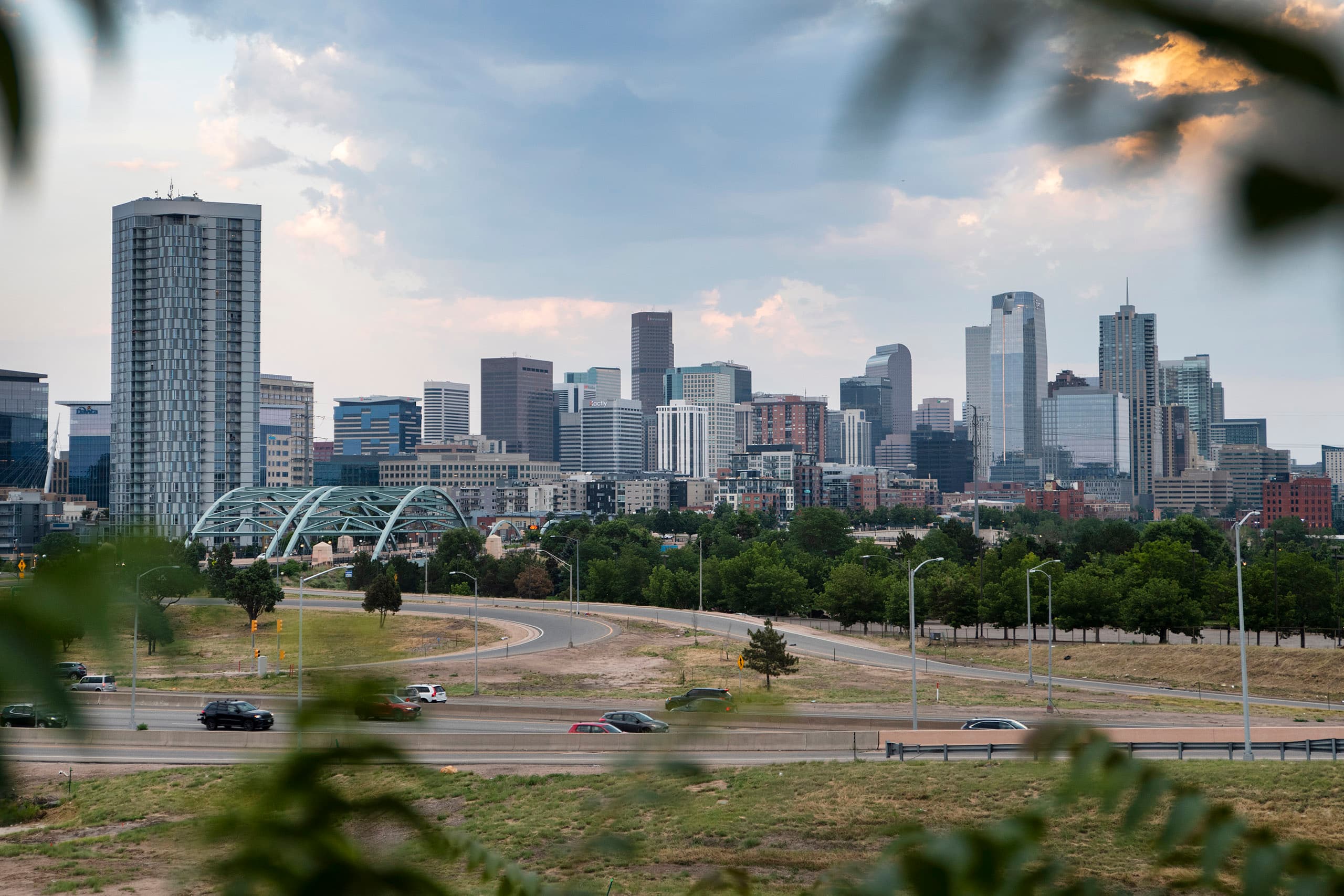
The Colorado labor force fell by 3,050 workers in September. The participation rate dropped to 65.2%, the lowest level recorded since Sept. 3, 1979, according to data released by the Colorado Department of Labor and Employment.
The department's figures show roughly 3.18 million people in the state's labor force. That is a decline of 75,000 over the past year. The participation rate measures the share of working-age residents who are employed or actively looking for work.
Colorado's unemployment rate rose one-tenth of a point from August to 4.1%. The national rate increased by the same margin to 4.2%.
Tim Wonhof, the state's labor market information director, said the drop reflects a long-term trend rather than a sudden economic shock.
"Colorado is currently experiencing historic lows in labor force participation, mirroring a broader national long-term downward trend," Wonhof said in an email. "As of August, Colorado is still ranked in the top ten relative to other states. We're ranked ninth for labor force participation."
Wonhof said an aging population and fewer people moving to Colorado are the main drivers.
The share of workers aged 55 and older has nearly doubled over the last 25 years, he said. Net migration into the state has also declined.
"Unlike previous periods of decline associated with recessions, the more recent shift is driven by a rapidly aging population and declining net migration," Wonhof said. "This presents unique challenges for the state's workforce as the demographic makeup of Colorado evolves more quickly than most other regions in the U.S."
The labor force last peaked in October 2024, when about 95,000 more residents were working or searching for jobs and 67.8% of working-age Coloradans participated. The decline has lasted two years.
Bill Craighead, an economist and program director at the UCCS Economic Forum in Colorado Springs, said the state lacks the detailed breakdowns available at the national level. He said that makes it hard to determine why people are leaving the workforce.
"It does feel like the drop we've seen this year is steeper," Craighead said. "But we don't have estimates of the labor force participation rate for people aged 25 to 54 like we do at the national level, so it is hard to be sure."
Craighead said Colorado does not track "discouraged workers," a federal measure of people who have stopped looking for employment.
"So, while on the surface, declining labor force participation is worrying, we don't know how much of it is for negative reasons, like people giving up on finding jobs, versus more benign ones," he said.
The state tracks involuntary part-time work as a measure of underemployment. So far this year, an average of 2.6% of the labor force has worked part-time while preferring full-time hours. That is down from 3.3% in 2025 and 5.8% in 2020.
Private employers added a preliminary 3,000 nonfarm payroll jobs in September. Construction, professional and business services, and the information sector posted the largest gains. The trade, transportation and utility sector lost 1,900 jobs, and government employment fell by 600.
August's job numbers were revised to show a decline of 300 jobs instead of the originally reported 1,400. Over the past year, Colorado has added an average of 800 jobs per month.
Craighead cautioned that annual revisions to the population controls used in household surveys can create distortions. He said those changes take effect around January.
"That's why it's often better to look at numbers based on ratios, like the unemployment rate, rather than the raw numbers of employed or labor force," he said.