Denver's All In Mile High homelessness program draws national praise as model for other cities

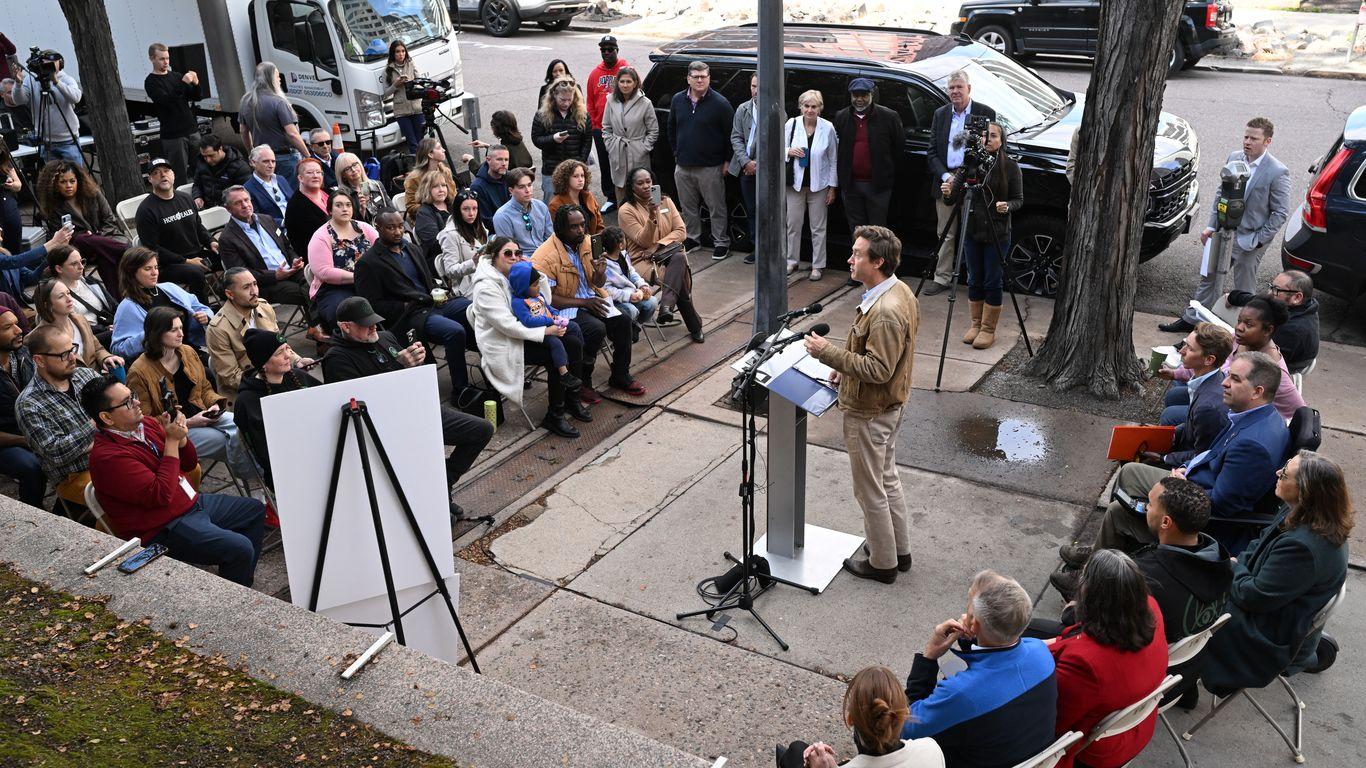
Denver's homelessness program has been cited by The New York Times and The Economist, while critics argue the strategy relies too heavily on enforcement and faces funding questions.
A New York Times opinion column called Denver's strategy a model that other cities should copy.
The column, written by German Lopez and published October 13, credits Mayor Mike Johnston's All In Mile High initiative with producing the largest recent decline in unsheltered homelessness among America's biggest cities.
"Other cities no longer have an excuse," Lopez wrote. "Democrats around the country should figure out how to copy Denver's program."
The initiative combines encampment sweeps with expanded shelter, housing assistance, and mental health and addiction services. Police warn that repeat violations could lead to arrest, while outreach workers offer people places to go, including converted hotels and tiny home villages.
Johnston says the strategy is simple: when you move people off the street, give them somewhere to go and the support to stay housed.
Denver's latest point-in-time count shows unsheltered homelessness has fallen 64% since 2023. Overall homelessness dropped 13% from 2025, the city's first annual decline in nearly a decade.
The Economist featured the city's approach in June as "an answer to a stubborn problem," and the Urban Institute called it a "promising path" in 2025.
Cole Chandler, executive director of the Denver Department of Housing Stability, said the recognition reflects more than a decade of work.
"Yes, this moment carries a real sense of validation," Chandler said. "It reflects the leadership, dedication and compassion of countless people in Denver who have been building a responsive, effective homelessness response system long before this article existed."
Mayor Johnston's office acknowledged that the work is not finished.
"The article speaks for itself," said Jon Ewing, spokesperson for the mayor's office. "We still have work to do, though. We don't want anyone to think that we're done."
The strategy comes with a high price tag. All In Mile High cost nearly $180 million over two years, paid for with local and federal dollars. Expired federal funding raises questions about whether Denver can sustain the progress.
Critics say the city's approach relies too heavily on enforcement.
"Other cities should not follow what Denver is doing," said Terese Howard of Housekeys Action Network Denver, a nonprofit advocacy group for people experiencing homelessness. "What Denver has done is use an image of getting people into these hotel sites and use that image of sweeping these large encampments to justify massive increases in policing and enforcement, pushing people out of sight and away."
Johnston is currently running for reelection. Denver is also one of three finalists to host the 2028 Democratic National Convention.
The mayor's initiative began with the "House 1,000" campaign at the start of Johnston's term in 2023, which eventually transitioned into All In Mile High. Both efforts aim to end homelessness in the city.
Lopez, who is based in Cincinnati, spent several days in Denver meeting with local officials before writing the column.
Homelessness and public disorder remain political challenges for Democrats nationally. Johnston's approach has become part of that debate as he campaigns for reelection.
The city's next point-in-time count will show whether the decline continues.