Two Mesa County deputies not charged in death of Grand Junction man who was knelt on during stop

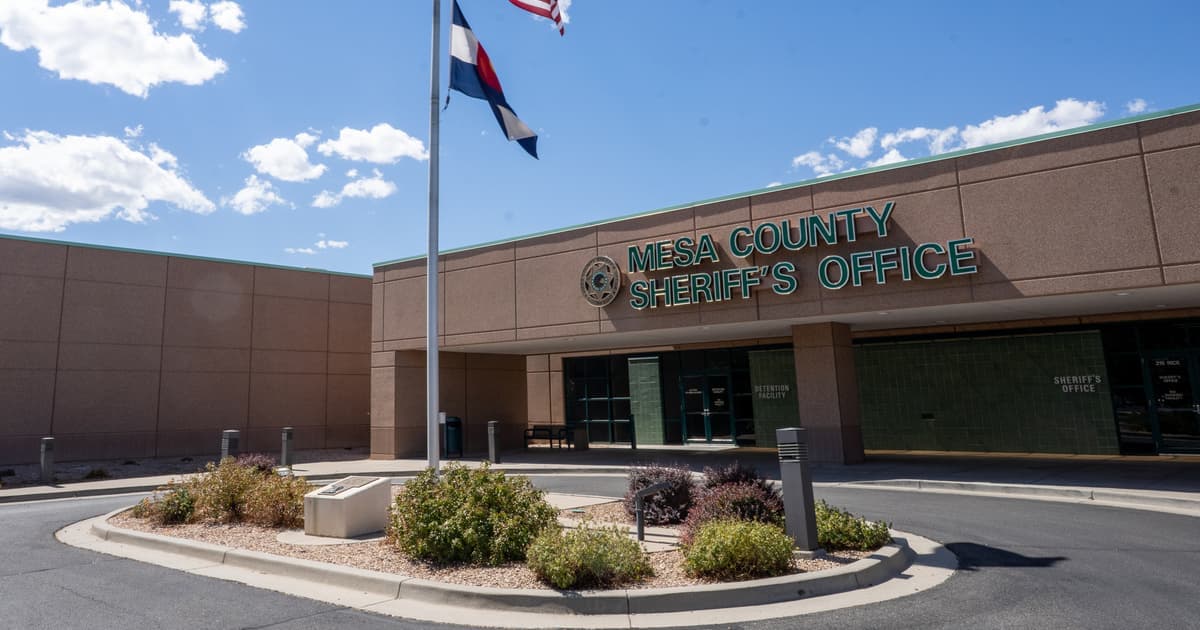
Two Mesa County Sheriff's deputies will not face criminal charges in the death of Johnny Herrera, a 57-year-old Grand Junction man who died after being restrained by deputies responding to a vandalism report near a Clifton gas station this summer.
21st Judicial District Deputy District Attorney Dan Rubinstein announced Thursday that charges were not appropriate for deputies Jeremiah Carbajal and Christopher Tinkle. The Critical Incident Response Team, a group made up of local law enforcement agencies, investigated the Aug. 22 death and submitted its findings to the district attorney's office.
In a 16-page letter released to the public, Rubinstein laid out the medical examiner's finding that Herrera died "from mixed methamphetamine and bupropion intoxication, with obesity and law enforcement restraint contributing to his death." The coroner, Dr. Dean Havlik, requested access to body camera footage before completing his autopsy report.
Deputies encountered Herrera shortly after midnight near a gas station in Clifton, a community just east of Grand Junction. He had cuts that investigators said appeared to come from breaking a window at a nearby business, and he was shirtless with his pants on inside out. Family members told investigators he had been diagnosed with schizophrenia and diabetes.
According to the report, Herrera initially declined medical help for his injuries and asked for water. He then tried to open a patrol vehicle door and refused to identify himself, telling deputies, "I don't have a name."
When Carbajal and Tinkle attempted to handcuff him, the report said, Herrera resisted and the deputies brought him to the ground. Tinkle placed his knee on Herrera's upper back, near the shoulder blade.
"(Herrera) said 'Get off.' Deputy Tinkle told him, 'Stop resisting, you're not going to win this fight,'" the report stated.
Tinkle held his knee there for about 45 seconds, including six seconds after handcuffs were applied. Later, Herrera tried to roll onto his side, and deputies pinned him on his stomach again while Tinkle placed his knee back on Herrera's back for another 50 seconds, easing the pressure toward the end of that period.
Body camera audio captured labored breathing after Tinkle removed his knee. About 45 seconds later, deputies rolled Herrera into a recovery position and called for an ambulance after he became unresponsive. While waiting for medics, deputies gave him naloxone, which reverses opioid overdoses, and performed chest impressions.
Kneeling on a person lying face down has come under scrutiny after deaths during police restraint. In 2024, Colorado lawmakers passed a bill requiring police agencies to post their use-of-force policies on prone restraint online.
When asked where its prone restraint policy was posted, the Mesa County Sheriff's Office acknowledged the document was not available online. The policy has since been published on the department's website, and the sheriff's office said the omission was unintentional and that the county is committed to complying with state law.
The department's policy directs deputies to avoid prolonged pressure on a person's back and to remove that pressure once the person is restrained. It also requires deputies to call for medical assistance if a person shows signs of physical distress.
Rubinstein concluded that the deputies' actions did not cross the threshold for criminal prosecution under Colorado law, and he filed no charges. The district attorney's office made the full findings of the Critical Incident Response Team investigation available through the Grand Junction city clerk's document center.