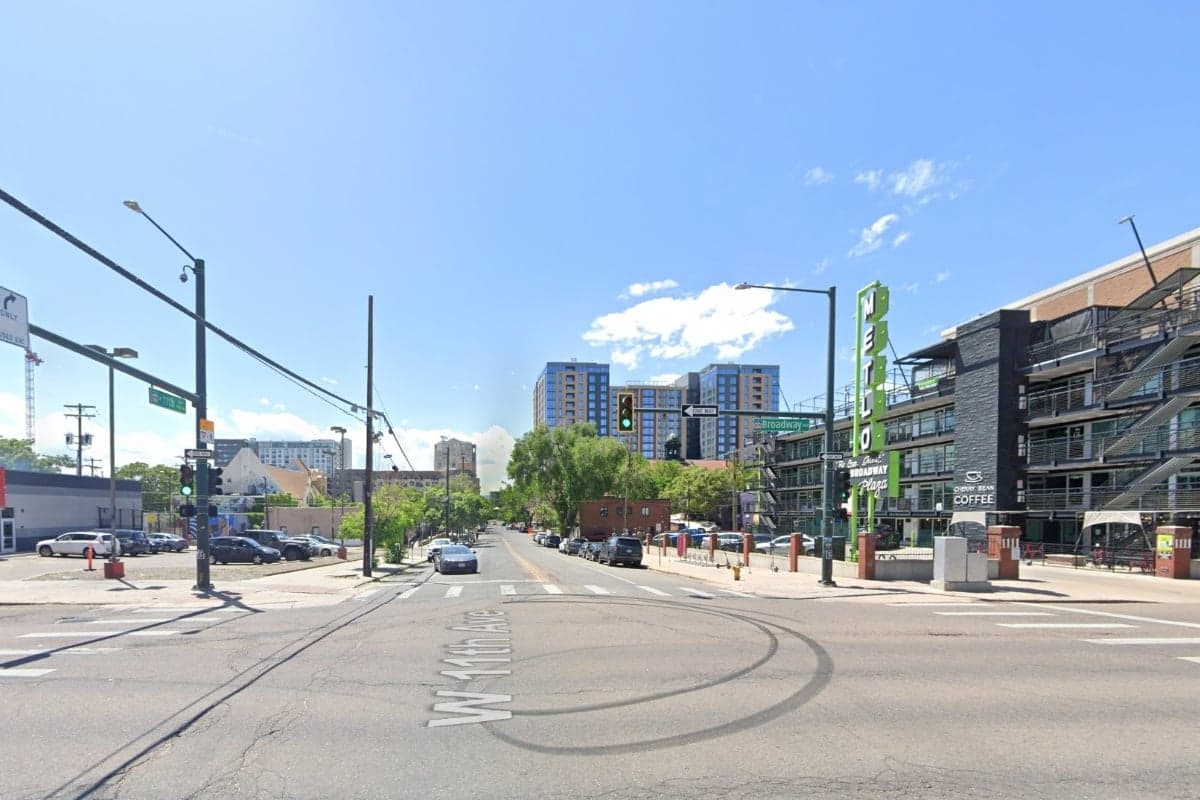
Federal judge bars Free Land Holder Committee from fencing off 1,400 acres of San Juan National Forest near Mancos
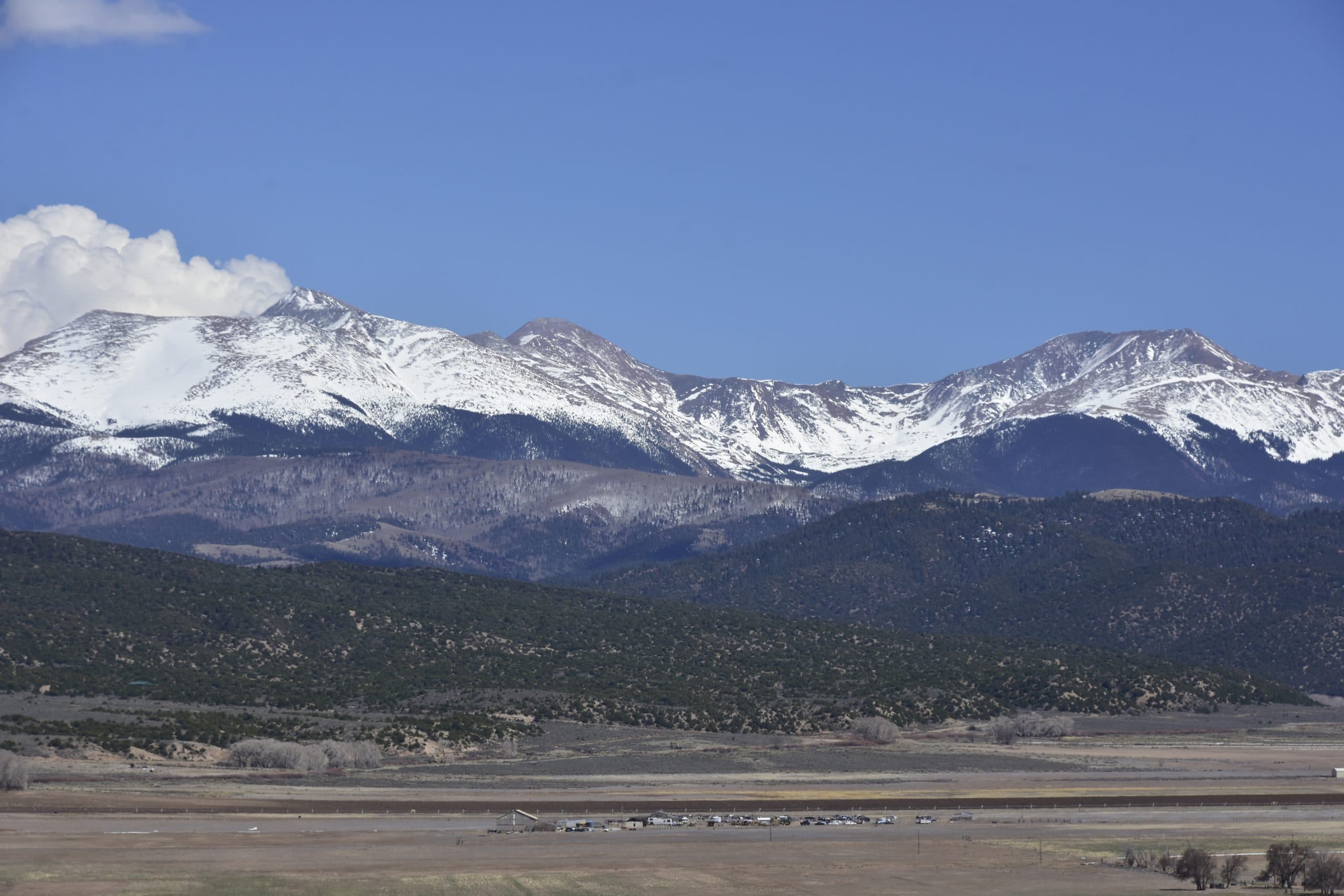
A federal judge permanently barred the Free Land Holder Committee from fencing about 1,400 acres of U.S. Forest Service land outside Mancos and ruled that the group has no legal claim to the property in the San Juan National Forest.
U.S. District Court Judge Daniel D. Domenico ruled Sept. 30 that the committee and its representatives, Patrick Pipkin and Bryan Hammon, cannot install another fence or block public access to the land. The decision resolves a federal lawsuit filed in November 2024 after the group put up signs and a barbed wire fence around the area, which it calls part of a treaty-based land claim.
Domenico said the government’s evidence established that the United States owns the Hallar Deed Area, the name used in court records for the property. He wrote that the group’s posted notices and proclamations “do not have legal force” and do not give it title, exclusive use or any right to fence, enclose, exclude others or obstruct passage by people or livestock.
The group began staking its claim about two years ago by hanging signs around the Four Corners region. It argued that historic treaties and deeds gave it ownership of the land, including the 1848 Treaty of Guadalupe Hidalgo, which ended the war between the United States and Mexico and led Mexico to cede a large portion of territory.
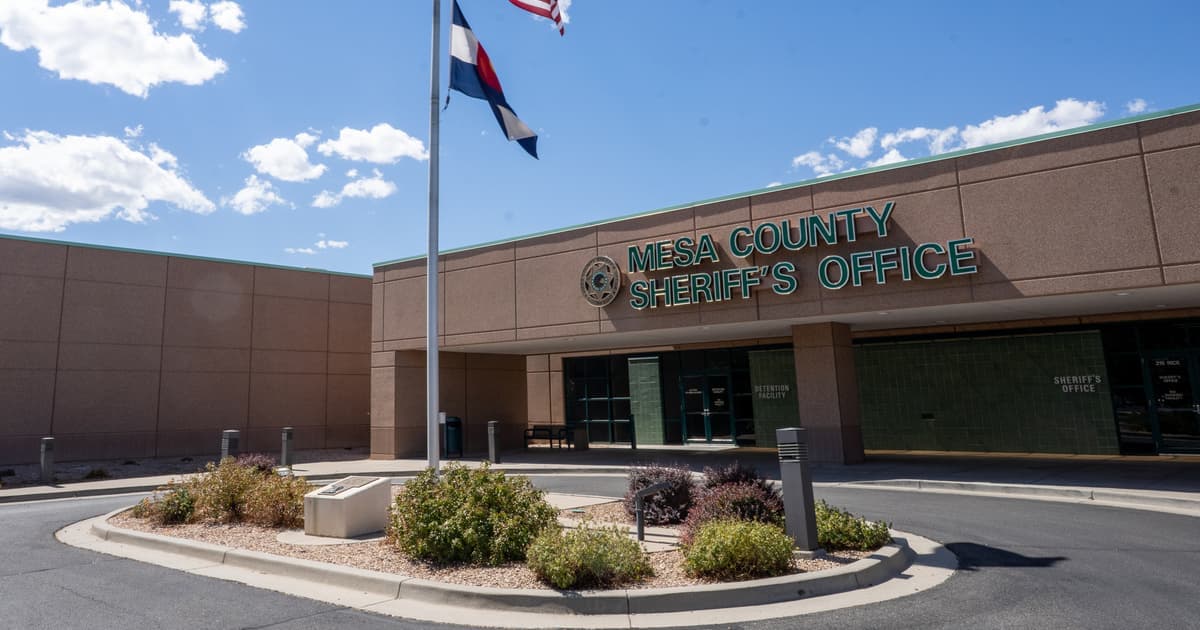
The fence set off a fight with local residents, who described the takeover as theft of public land used for hiking, biking, grazing and hunting. Residents dismantled the fence with tools shortly after it was installed, while Montezuma County Sheriff Steve Nowlin and deputies stood by to document what happened and keep the peace.
The property has a long federal history. Court records say it was once privately owned through Homestead Act claims and was reacquired by the federal government in 1927 after owner Fred Hallar offered the land in exchange for timber. The Forest Service wanted the property in part to protect the watershed, according to court records.
The case also took unusual turns in court filings. Pipkin and Hammon represented themselves and missed deadlines for responding to the government’s motion for judgment, Domenico noted. After a February 2025 status conference, Pipkin, who asked to be referred to as “The Man Patrick,” left 12 one-troy-ounce silver coins with a courtroom deputy even though the judge warned the court could not accept them as payment for filing fees. The coins were valued at about $377 at the time and were placed in the court finance department’s vault until Pipkin retrieved them, according to the court.
In a 2024 interview, Pipkin said he is Native American and that the group has Native American members whose presence on the property stretches back before the United States existed. He declined to name the tribes he said he was working with. The group’s court arguments also focused on the capitalization of the word “the” in historical references to the United States, with Pipkin arguing that different spellings created a separate entity.
Nowlin said when the lawsuit was filed that the dispute should be resolved by a judge because his authority did not extend to civil disputes over federal land. The group had agreed to pause further fence construction while the case moved through court.
Pipkin and Hammon did not immediately respond to emails seeking comment about their plans for the land. Court records show both filed responses this week asking Domenico to amend his ruling.