Boulder's 2018 climate lawsuit against Suncor and ExxonMobil goes to the U.S. Supreme Court on Monday

The U.S. Supreme Court will hear arguments Monday in Suncor Energy Inc. v. Boulder County Commissioners, taking up Boulder's eight-year-old case over whether oil companies should help pay for local climate damages. The justices will not decide yet whether ExxonMobil and Suncor Energy misled the public about fossil fuels. They are considering whether Boulder's state-law claims can proceed at all and whether federal common law governs greenhouse gas emissions.
The city and county of Boulder sued ExxonMobil and Suncor Energy in 2018 in Colorado state court. The complaint alleged that the companies knew about the dangers of burning fossil fuels, continued to market their products and should pay a share of the cost of preparing for floods, wildfires, drought and other climate-related harms.
The case has survived repeated attempts to dismiss it and has moved through lower courts for more than eight years. In 2025, the Colorado Supreme Court cleared the way for the lawsuit to continue. Less than a year later, the U.S. Supreme Court agreed to hear the oil companies' challenge to that ruling.
Boulder and Boulder County framed their claims under state law. Chris Winter, executive director of the Getches-Wilkinson Center at the University of Colorado Law School, said state courts are able to hold national and multinational companies accountable for harm that affects residents of that state. He compared the case to public-interest litigation involving tobacco and opioid companies.
The case is one of about two dozen climate accountability cases moving through state courts nationwide, seeking damages from oil companies. Alejandro Camacho, a UCLA law professor, said during a webinar on the case that a broad ruling against the county would end essentially all of them.
The court's review will focus on legal jurisdiction and the governing law, not the underlying evidence about what the oil companies knew or the amount of damages Boulder seeks. If the justices rule narrowly for the companies on procedural grounds, the Boulder case could return for further proceedings. A broader ruling favoring the oil companies could block the local claims.
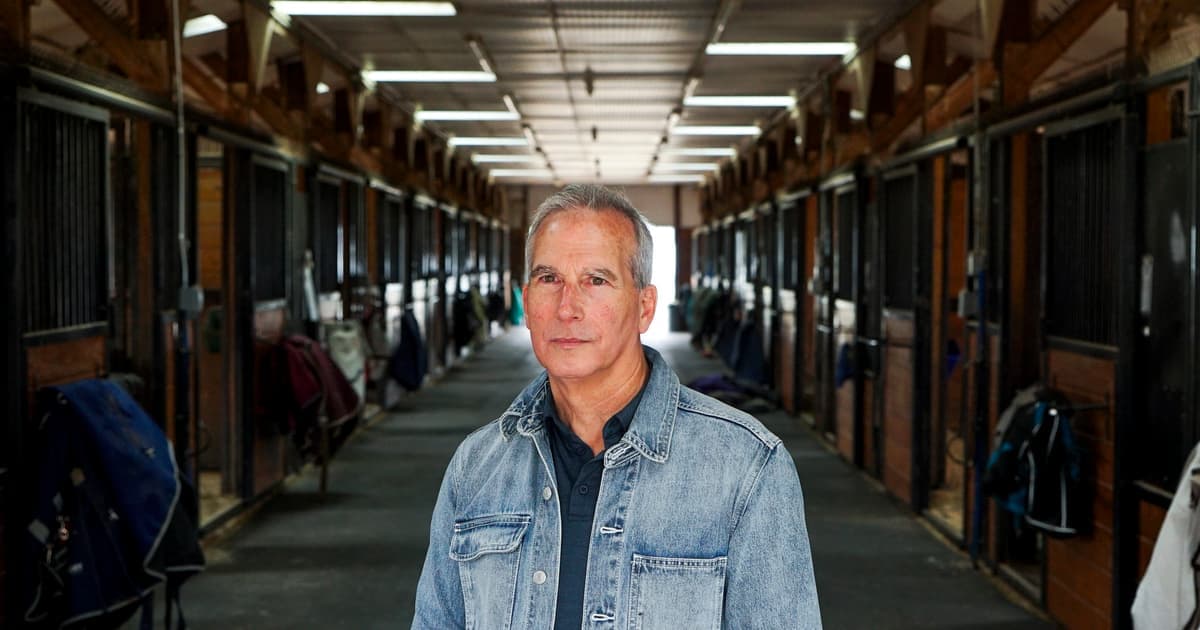
A 2018 report from Paul Chinowsky's consulting firm estimated that Boulder would need to spend between $96 million and $157 million to prepare for some climate impacts. Chinowsky, a civil engineer and professor emeritus at CU Boulder, said those costs have since grown as extreme weather damages roads and increases the expense of rebuilding.
Chinowsky, whose Louisville home was among those evacuated during the 2021 Marshall Fire, said studying climate adaptation costs became more urgent after he saw flames and burning homes in his rearview mirror. He said the question of who is responsible for those costs needs to be answered.
Boulder and Exxon did not comment and pointed to their legal briefs submitted to the court. Suncor declined to comment.
The Supreme Court's ruling is expected by the end of its current term in June 2027.