Colorado sues to block GEO Group’s $528.7 million ICE detention center in Hudson

Colorado Attorney General Phil Weiser filed a federal lawsuit Tuesday to stop a planned immigration detention center in Hudson, saying federal agencies skipped a required environmental review before approving the project.
The lawsuit names the Department of Homeland Security and U.S. Immigration and Customs Enforcement as defendants and asks a federal judge to throw out the five-year, $528.7 million contract the government signed with the GEO Group to operate the facility. The state also wants all construction work paused until the review is completed and shared with Colorado.
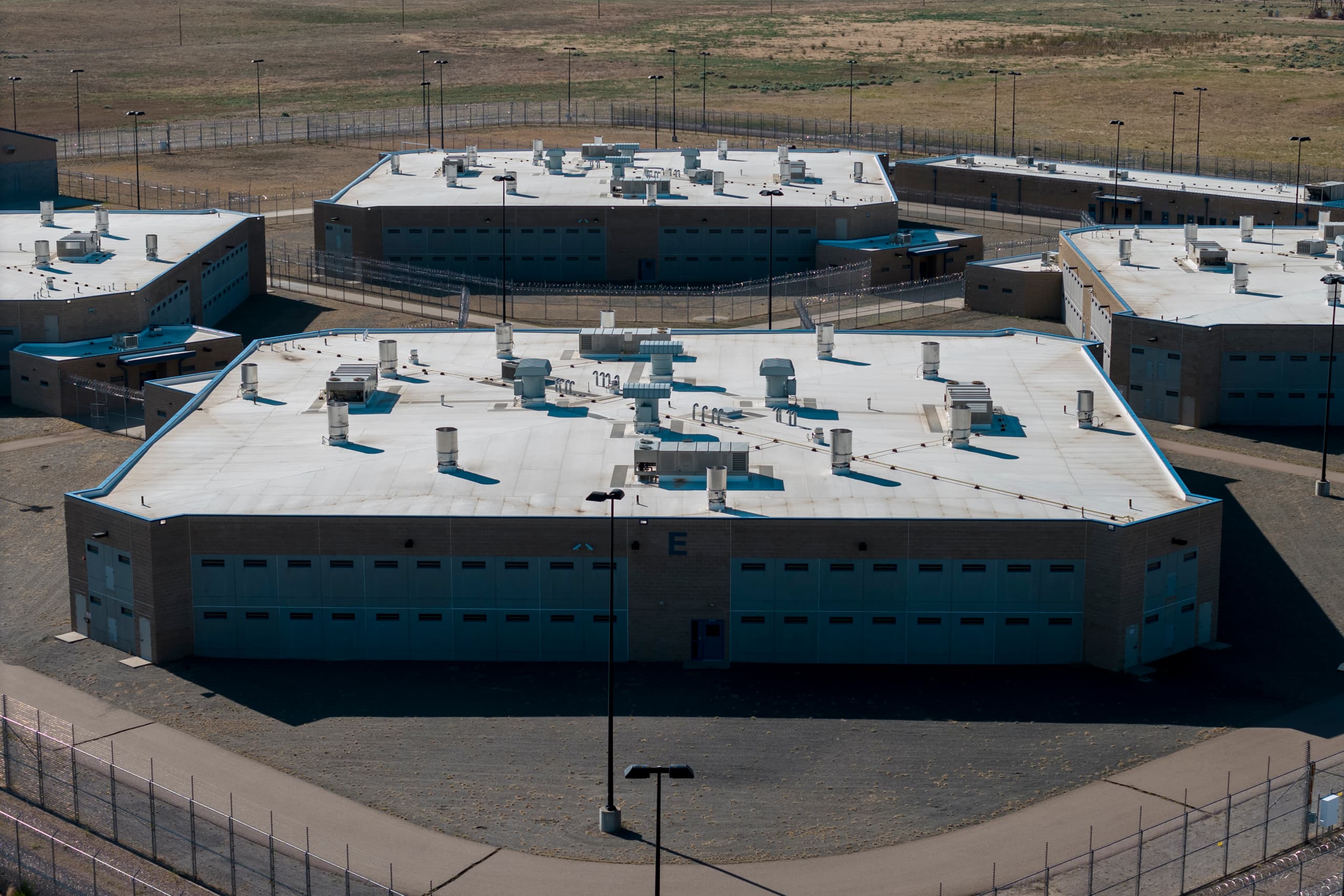
The planned facility, called the Big Horn immigration detention center, would hold nearly 1,200 people in the town about 30 miles northeast of Denver along Interstate 76. The state says the facility would nearly double the number of immigrants detained in Colorado while they go through deportation proceedings.
Weiser said federal officials cannot reopen a shuttered prison without studying how the project will affect the surrounding area.
“Even though this proposed facility would nearly double the town's population, the federal government is ignoring the basic legal requirement to determine what effects its actions could have on nearby residents and the surrounding environment,” Weiser said at a news conference Tuesday.
The complaint says the federal government failed to analyze how the facility would affect air quality, wildlife, wastewater, drinking water and public infrastructure in the rural area. The state said the property has been closed for years and renovations are already underway.
Hudson has about 1,600 residents. In the lawsuit, the state said the town believes it will need to add another well to its water system to meet the detention center’s demands.
Town Manager Bryce Lange declined to comment on the lawsuit. He said the town is confident its water and wastewater utilities can handle existing and future demand.
The Department of Homeland Security rejected the state’s argument and called the lawsuit political.
“It’s about trying to stop President Trump from making America safe again. The left didn’t care about the mountains of litter that illegal aliens dumped on ranches and riverbeds during Biden’s border crisis,” the agency said in a statement.
The GEO Group announced the contract in July. The company is renovating a former private prison that has been closed since around 2014. Federal securities filings and the state’s complaint say the federal government will pay a private real estate holdings company $250,000 a month in rent while the building is unoccupied. That payment will rise to $958,000 a month once the facility is occupied.
Trump administration officials have previously said the project would bring $85 million in revenue to Hudson and include security, maintenance, medical care, legal services and food operations.
Weiser said he believes the detention center could open by the end of the year.
The lawsuit is the third legal challenge to the Hudson facility since the contract was announced. Earlier this month, GreenLatinos and the Colorado Immigration Rights Coalition filed a federal lawsuit making the same environmental claims. In July, Together Colorado sued in state court, saying the property is not zoned for a detention center and that Hudson violated its own land use code by allowing the GEO Group to proceed without a special permit.
The state’s complaint also says federal officials have not communicated with Colorado about the construction and review process.
“Defendants have ignored their statutory obligations and provided no information to the state about their plans, depriving the state of the information needed to fully assess the harm Defendants’ actions will have on Colorado’s sovereign interests,” the lawsuit says.
If the facility opens as planned, it would give Colorado one of the largest populations of immigrant detainees in the country, according to the Transactional Records Access Clearinghouse at Syracuse University.
Weiser said a judge will decide whether to combine the state’s lawsuit with the separate federal case filed by GreenLatinos or allow them to move forward separately.