Denver compost bins now accept pizza boxes, napkins and other food-soiled paper

headline_display: Denver compost bins now accept pizza boxes, napkins and other food-soiled paper
headline_plain: Denver now accepts food-soiled paper in its compost program
headline_seo: Denver composting: Food-soiled paper now accepted in city bins
summary_extract: Denver residents can now place food-soiled paper such as pizza boxes, napkins, paper towels and uncoated paper plates in city compost bins. The Department of Transportation and Infrastructure said low contamination rates and resident requests led to the change. Paper with plastic coating or cleaning products is not accepted.
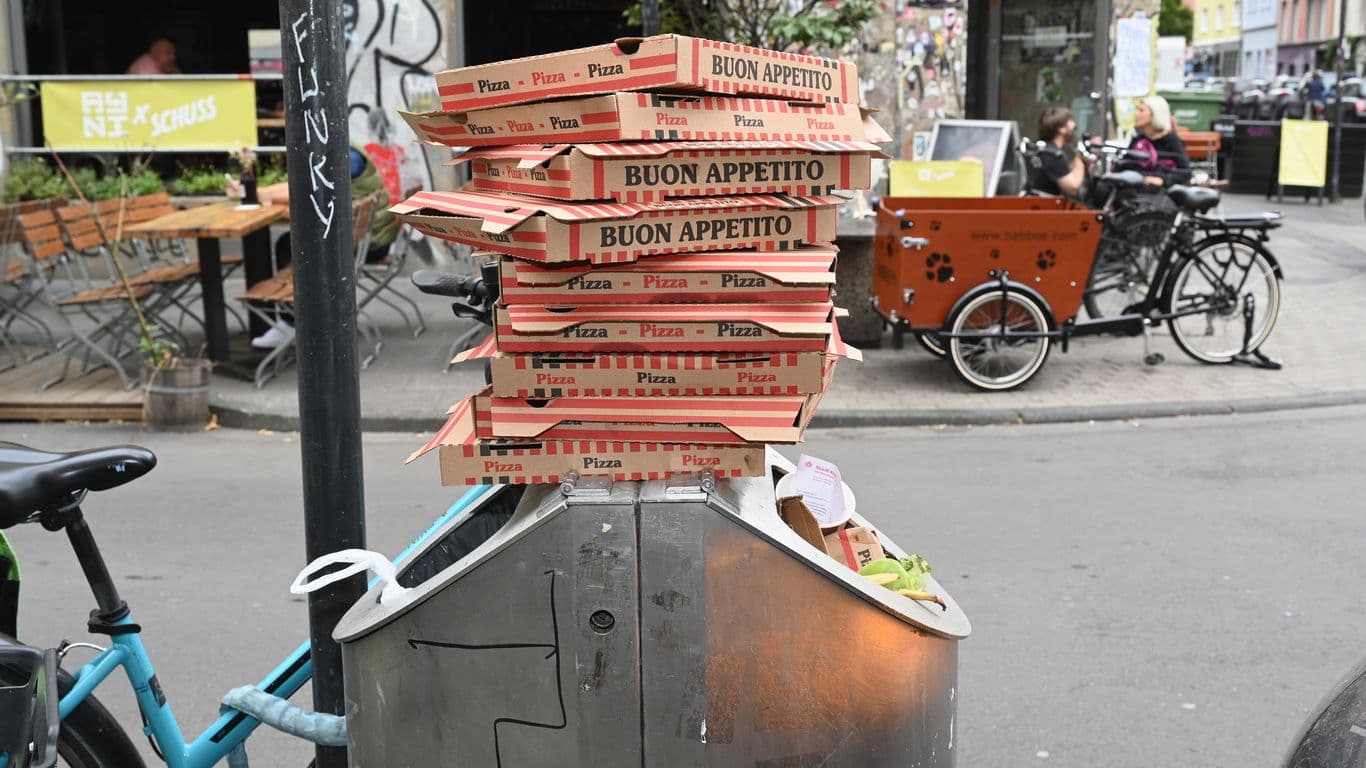
Denver residents can now put greasy pizza boxes, used paper towels and other food-soiled paper into city compost bins. The items previously had to go into the trash.
The Department of Transportation and Infrastructure announced Tuesday that Denver’s compost program now accepts food-soiled paper. The change applies to curbside compost carts.
Acceptable items include pizza boxes, coffee filters, napkins, paper towels, sugar bags, tea bags, toothpicks, wooden chopsticks, wooden skewers and uncoated paper plates.
Nina Waysdorf, the city’s waste diversion and outreach manager, said residents asked for the change.
“We have gotten lots of customer feedback that they want to compost their food soiled paper, their paper towels and napkins and greasy pizza boxes are a big one,” Waysdorf said. “We are excited to expand our guidelines and respond to that feedback.”
The city still bars some paper products from the compost bin. Paper items with a plastic coating cannot be accepted. Paper used with cleaning products also must stay out of compost.
Napkins can go in the bin, but tissues cannot because they often contain synthetic additives such as lotion.
Denver expanded compost service across the city. During that expansion, officials focused on keeping wrong materials out of the carts.
The rule change follows Denver’s effort to build the compost program without increasing contamination. Waysdorf said the city wanted residents to understand the basics before it added more material to the accepted list.
“As we were expanding that service across the city, we really wanted to make sure that people understood the basics of how to compost and that we weren't sending a lot of contamination to our processor,” she said.
Since 2024, Denver’s waste contamination rate has averaged between 3% and 5%, according to Waysdorf.
Simplifying the guidelines helped lower that rate, she said. City staff watch for confusion and revise outreach materials when residents ask questions.
“When we get questions and when we see where something might be confusing, we're always kind of adjusting and updating our materials and how we explain our programs,” Waysdorf said.
Denver’s transportation department made the decision with Waste Management, the private company that processes the city’s compost. Officials said low contamination rates, customer feedback and discussions with the processor prompted them to loosen the rules.
The department also said the city had seen residents send less waste to compost, another factor behind the expansion.
The change will not add costs to the city, said Nancy Kuhn, a department spokesperson.
“We hope these changes continue to bring awareness to the compost program,” Kuhn said.
Waste Management turns material collected through Denver’s curbside programs into a soil amendment. The finished product can be used on lawns, gardens and fields, the city said.
The city initially banned food-soiled paper to keep trash out of the compost stream. The updated rules now draw a line between paper that touched food and paper that carries plastic, lotion or cleaning chemicals.
Residents can request new cart stickers with the updated guidelines for their bins by emailing denvercartsmart@denvergov.org.