Legal immigrants in Colorado lose Medicaid coverage as federal SNAP funding changes take effect

Thousands of legal immigrants in Colorado lost federal Medicaid coverage on Thursday, Oct. 1, after the federal government withdrew eligibility for refugees, asylees and several other immigrant groups.
The change affects people who were previously enrolled in Health First Colorado, the state’s Medicaid program. It comes as Colorado also prepares for changes to the funding structure of the Supplemental Nutrition Assistance Program, or SNAP, while Congress debates a new Farm Bill.
The Colorado Department of Health Care Policy & Financing said it began notifying potentially affected members in May and June through texts and emails.
Marivel Klueckman, eligibility division director for the department, said the agency worked to warn people ahead of the deadline.
“I'm hoping that they are not surprised. We've been very intentional about communicating that these changes were coming,” Klueckman said.
Klueckman said hospitals, clinics and health centers that serve those families will also feel the impact. She said some people who lose coverage may try to pay out of pocket or avoid care altogether.
“I think there'll be some uncompensated care,” she said. “I'm concerned that they'll just decide to not get any care because they just maybe can't.”
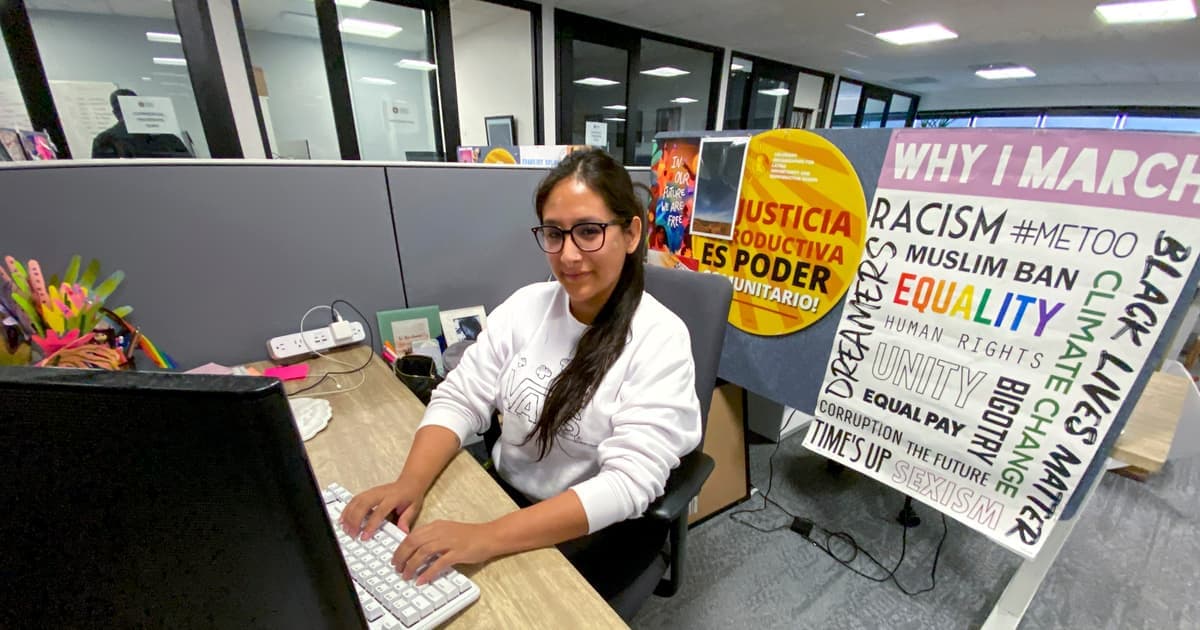
Nicole Cervera Loy, senior policy manager at COLOR, the Colorado Organization for Latina Opportunity and Reproductive Rights, said immigrant communities have been dealing with uncertainty since the changes were announced.
“I'm hearing a lot of fear. I feel like there has been a lot of confusion. There's been no comprehensive communication to the communities that are being impacted by these changes,” Cervera Loy said.
COLOR has been working to inform immigrants that many will lose Medicaid coverage under the federal changes.
The Medicaid changes do not affect U.S. citizens or nationals, lawful permanent residents who meet applicable requirements, certain Cuban or Haitian entrants, children younger than 19, or people who are pregnant or were pregnant within the past 12 months.
People granted humanitarian parole, people granted withholding of removal, survivors of trafficking or domestic violence, and other immigrants who previously qualified for full Medicaid coverage are among those affected, according to the state’s Medicaid agency.
At the same time, SNAP is changing how it is funded. Federal support is being reduced, and states like Colorado will pay a larger share of the program’s costs.
The Farm Bill, which expired Wednesday, is the next step for food assistance funding. A government shutdown could also disrupt benefits.
Abby McClelland, director of food and energy assistance for the Colorado Department of Human Services, said the state’s SNAP program is stable.
“The Colorado SNAP program is stable and reliable right now and fully funded with benefits through Dec. 11 as part of the continuing resolution,” McClelland said.
McClelland said Congress could pass a Farm Bill, extend it, or use other mechanisms to keep benefits funded.
“We're just hopeful that we will avoid a shutdown like happened last year,” she said.
McClelland urged people who rely on food assistance to keep applying.
“My big point is I just don't want people to stop applying or stop engaging with the program,” she said.
Erin Pulling, CEO of Food Bank of the Rockies, said food banks cannot replace SNAP if benefits are interrupted.
“If lawmakers don't do anything by Dec. 11, there could be a disruption in SNAP benefits. And that's something sometimes people think, well, food banks and food pantries can fill that gap that we can fill in the need,” Pulling said. “We are seeing more of a need than we can meet.”
Pulling said Food Bank of the Rockies provides enough food each day for 200,000 meals, while SNAP provides nine times that volume.
The federal changes arrive as Colorado faces its own budget crisis, which has already led to deep cuts to Medicaid, with more expected.